Offer one-stop solution

Breathable PE Film

Home

Breathable PE Film

  • Raw material analysis of newborn diapers
    Raw material analysis of newborn diapers
    Jun 19, 2025
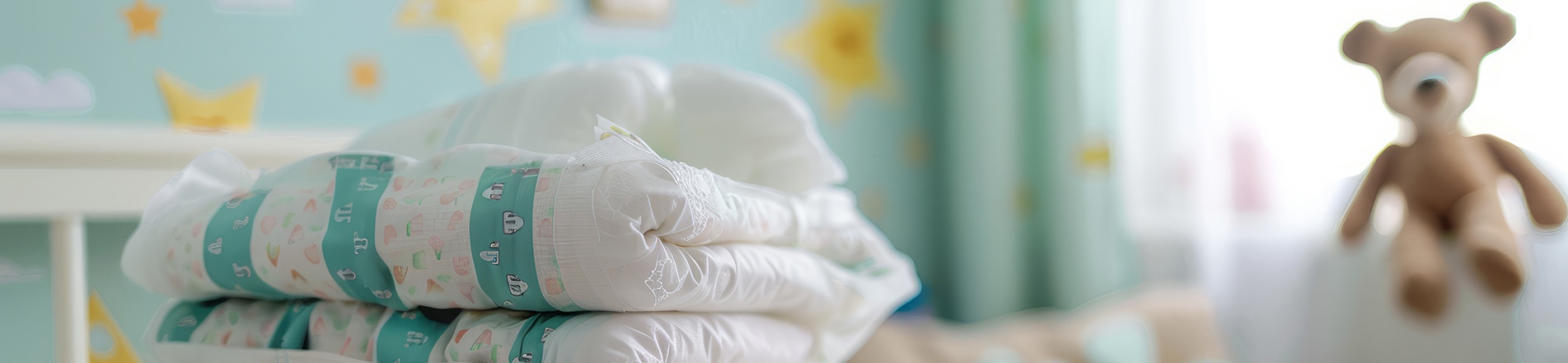
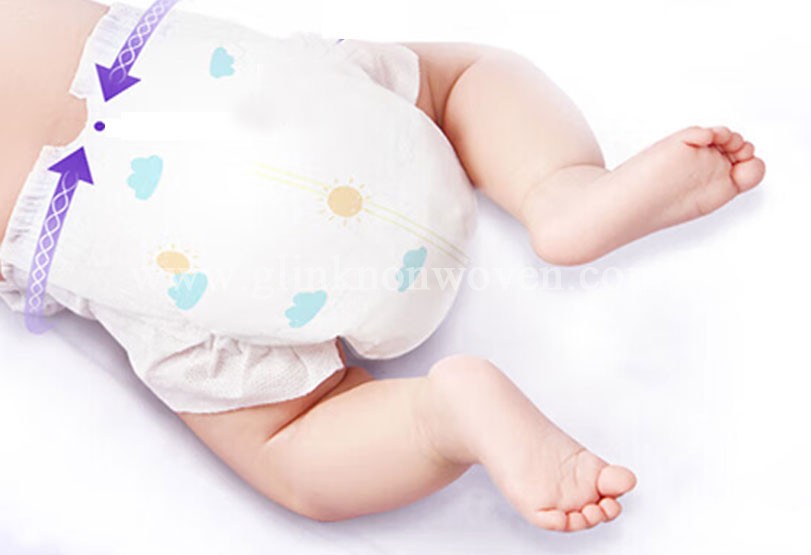
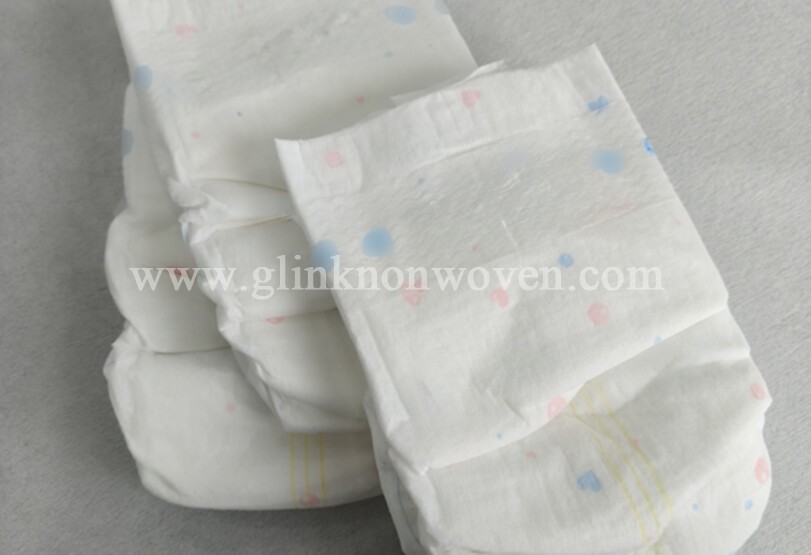
    Newborns have delicate and sensitive skin, and the choice of raw materials for disposable diapers as a 24-hour intimate product directly affects the comfort and health of the baby. Modern diapers achieve a balance of water absorption, breathability, and softness through the combination of various high-performance materials. The following is a detailed analysis of the core raw materials for diapers:   1. Surface material: skin friendly and non irritating 3D embossing non woven fabric: Most high-end diapers use polypropylene (PP) non-woven fabric, with delicate fibers and strong breathability, which can quickly remove moisture and reduce the risk of red buttocks. Some brands will add natural cotton fibers to enhance the tactile sensation.    3D embossing process: reduces skin contact area and keeps the surface dry.    Antibacterial treatment: Some products may add natural antibacterial ingredients (such as chamomile extract) to inhibit bacterial growth.    2. Absorbent core: the core of efficient water locking Polymer Water Absorbent Resin (SAP): It can absorb liquids weighing tens of times its own weight, has strong water locking ability, and avoids reverse osmosis. High quality SAP requires food grade safety certification (such as the EU 10/2011 standard).    Fluffy pulp: As a traditional absorbent material, it is mixed with SAP to improve the flow rate, but in recent years it has gradually been replaced by full core (pure SAP+dust-free paper) technology, making diapers thinner and lighter.    3. Leak proof layer: Double protection design Breathable PE film: The bottom layer adopts microporous breathable film, which allows water vapor to be discharged but blocks liquid leakage, avoiding stuffiness. Three dimensional leak proof edge: usually a combination of elastic rubber and non-woven fabric to prevent side leakage, while also being soft and not tight on the legs.    4. Other detailed materials Waist circumference and Velcro: Elastic spandex and non-woven fabric ensure a snug fit, while some brands use plant-based adhesives (such as corn starch adhesive) to reduce the risk of sensitization.    Environmentally friendly biodegradable materials: Emerging brands use PLA (polylactic acid) or bamboo fiber to replace some plastic components, reducing environmental burden.    Safety standards for raw materials High quality diapers require multiple international certifications: Skin safety: ISO 10993 (biocompatibility testing) OEKO-TEX ®  Standard 100 (no harmful substances).    Environmental friendliness: FSC certification (sustainable forest fluff pulp), compostable biodegradable label.   
    Read More
  • The functions of the three core materials in diapers.
    The functions of the three core materials in diapers.
    Feb 05, 2026
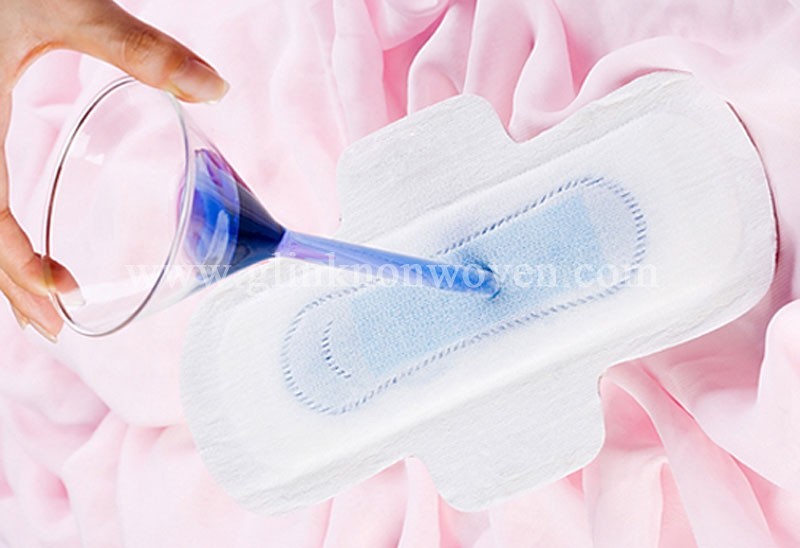
    With rising living standards, consumers are paying more attention to product value and experience rather than just price. Diapers, as an everyday necessity, rely on the quality of their core materials: super absorbent polymer (SAP), non-woven fabric, and breathable film. Many mothers may have seen these names on the packaging but are unaware of their specific functions. Below, we briefly explain the functions of these three materials. Super absorbent Polymer (SAP) SAP has high water absorption and retention capabilities, absorbing dozens of times its own weight in water. It can form a gel within seconds, and the gel volume can expand dozens of times, locking in liquid and preventing leakage, keeping the inside of the diaper dry. Non-woven Fabric Mainly used in the topsheet of diapers, it directly contacts the baby's skin. The most commonly used types are airthrough non-woven fabric and spunbond non-woven fabric, with airthrough non-woven fabric offering better performance. It is breathable, waterproof, soft, lightweight, non-toxic, and non-irritating, reducing skin irritation and helping to quickly transfer liquid to the inner absorbent material. Breathable PE Film Usually located on the backsheet of the diaper, it has water-repellent and breathable functions. Polyolefin breathable film is made by adding inert fillers to a PE or PP carrier, followed by film formation and stretching. During the film formation process, high-ratio stretching creates pores, giving it breathability and moisture-wicking properties. Its microporous structure prevents liquid leakage while allowing moisture to escape, helping to maintain skin comfort and reduce stuffiness. These three materials work together to ensure the performance of the diaper in terms of absorption, contact comfort, and breathability and leak prevention, meeting consumers' demands for product quality and user experience. If you want to know more, please click www.glinknonwoven.com
    Read More

Leave A Message

Leave A Message
If you are interested in our products and want to know more details,please leave a message here,we will reply you as soon as we can.
Submit

Home

products

whatsApp

contact