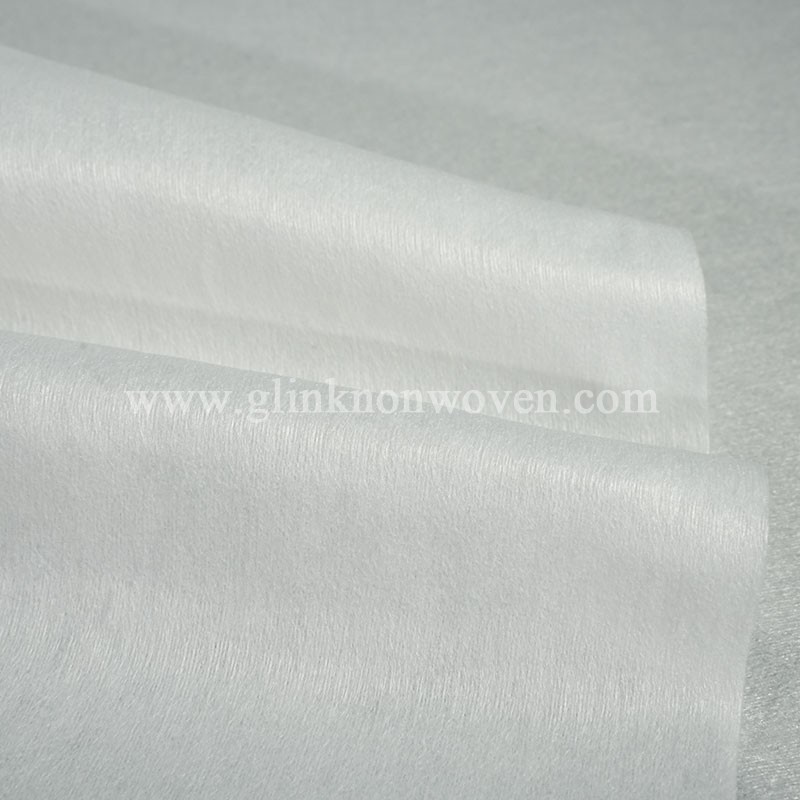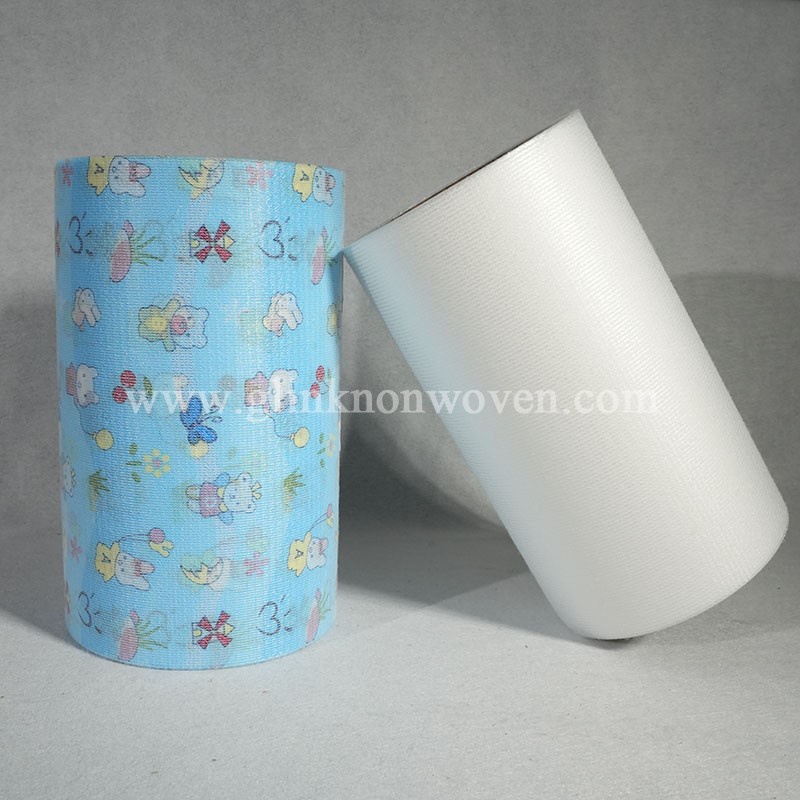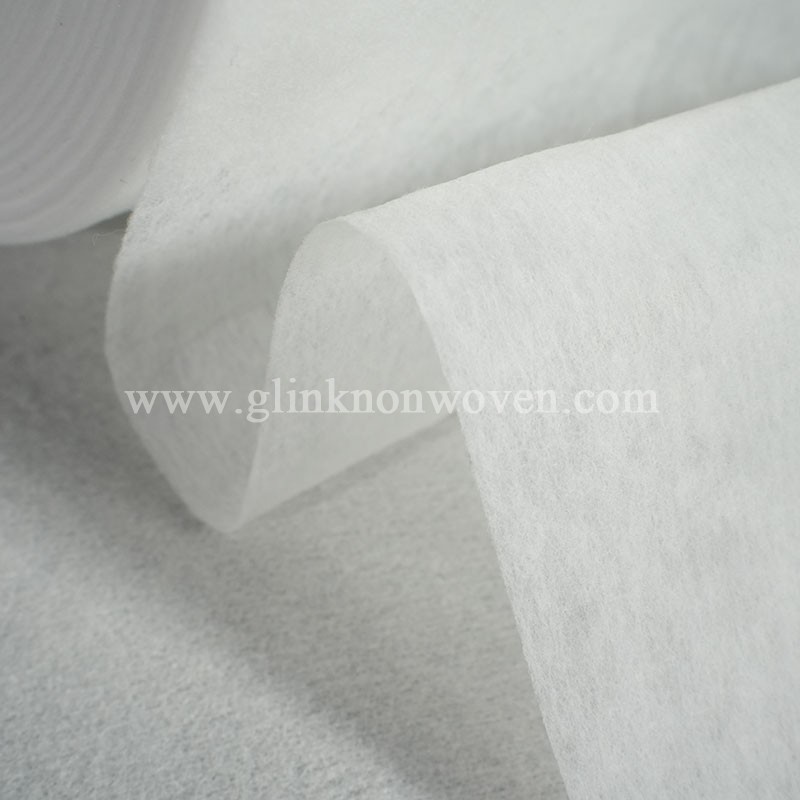
Using wrapping spunbond nonwoven to wrap wood pulp and sap has the following advantages:
- The nonwoven fabric is softer; 2. The basic weight is 10-12 grams, resulting in lower cost; 3. The cotton core is less prone to breakage.
FAQ
Using wrapping spunbond nonwoven to wrap wood pulp and sap has the following advantages:
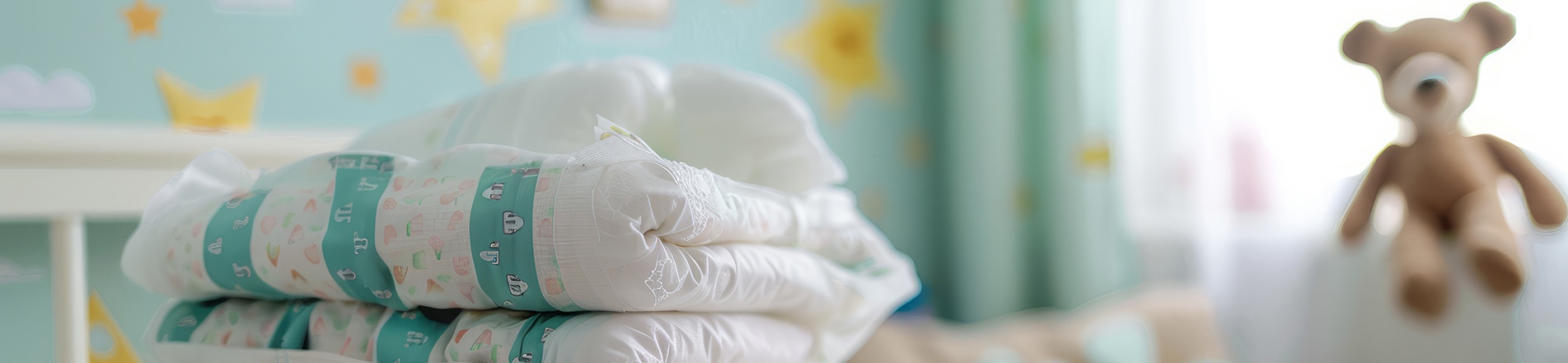
In diapers, we can use wrapping spunbond nonwoven fabric and carrier tissue to wrap the wood pulp and sap.
Thermal bond nonwoven fabrics are commonly used in diapers and sanitary napkin, particularly in the topsheet. It has the following advantage:1. softness and comfort; 2. breathability; 3. lightweight; 4. cost-effective; 5.no chemical additives; 6. effective moisture management;7. eco-friendly.
A combination of polyester, polypropylene, cotton, viscose, and sometimes biodegradable fibers is commonly used in thermal bond hydrophilic nonwoven fabrics for diapers, depending on the desired properties such as absorbency, softness, strength, and skin-friendliness.
Lightweight spunlace nonwoven(about 30-50 g/m²) is often used for facial or baby wipes.
Heavier spunlace nonwoven(50-80 g/m²) is often used for industrial or cleaning wipes.
Parallel spunlace nonwoven is smooth and suitable for soft products like facial wipes. Embossed spunlace nonwoven has textured dots for better absorption and scrubbing, ideal for industrial wipes.
The materials used to make carrier tissue include fluff pulp (often used for paper-based carrier tissues), cellulose fibers (for enhanced absorbency), and polyester, polypropylene, or other synthetic fibers (used in some nonwoven carrier tissues).
Wood pulp advantages:good absorbency; natural material; economical and efficient;
Wood pulp disadvantages:limited absorption capacity;poor comfort;thicker product.
Fluff pulp is used in diapers primarily for its absorbent properties. Its fibrous structure allows it to trap and hold large amounts of liquid, keeping the baby dry and preventing leaks.
Sanitary napkin absorbent materials like wood pulp and SAP to absorb and evenly distribute menstrual fluid, with SAP locking in the moisture.
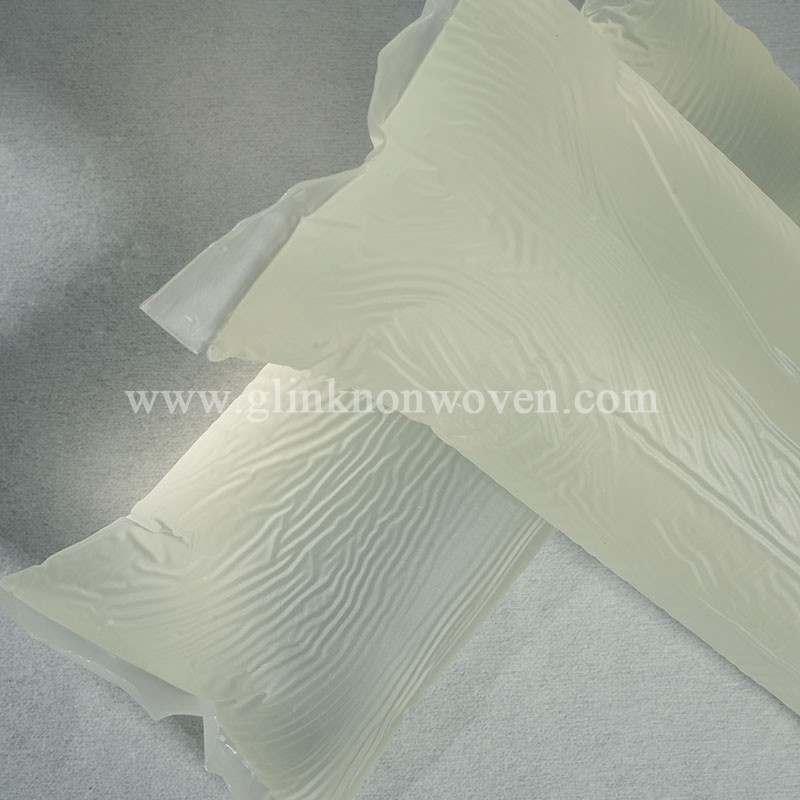
Untreated fluff pulp absorbs and holds liquid naturally, while superabsorbent polymers (SAP) can absorb many times their weight in liquid. Diapers use both materials: fluff pulp for structure and SAP for enhanced liquid absorption to keep the diaper dry for longer periods.
SAP powder can absorb and retain many times their weight in water,typically anywhere from 100 to 300 times their weight in water.