
 English
 English
 Español
 عربي
عربي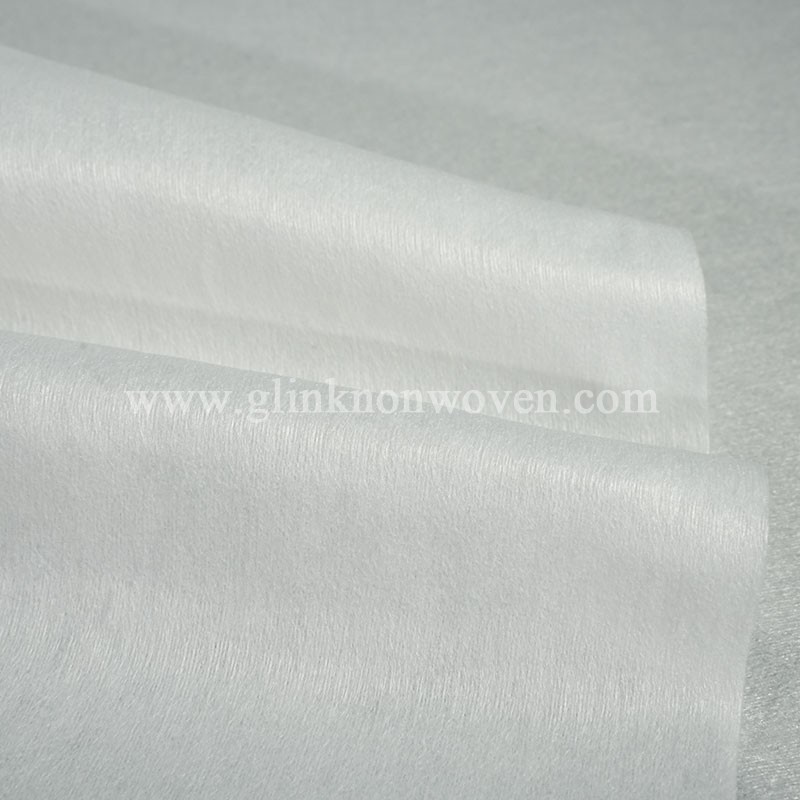
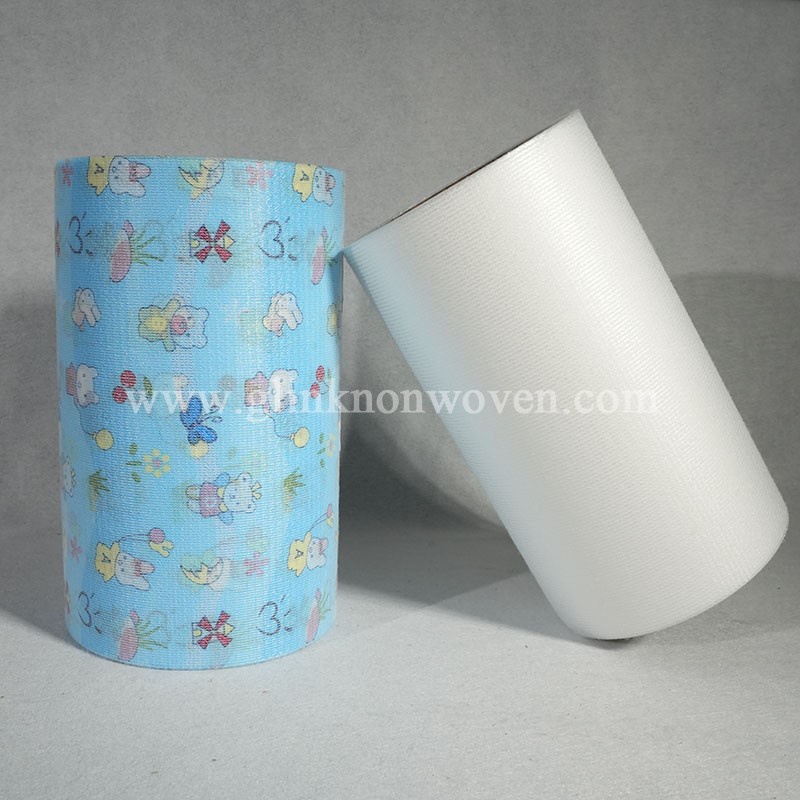
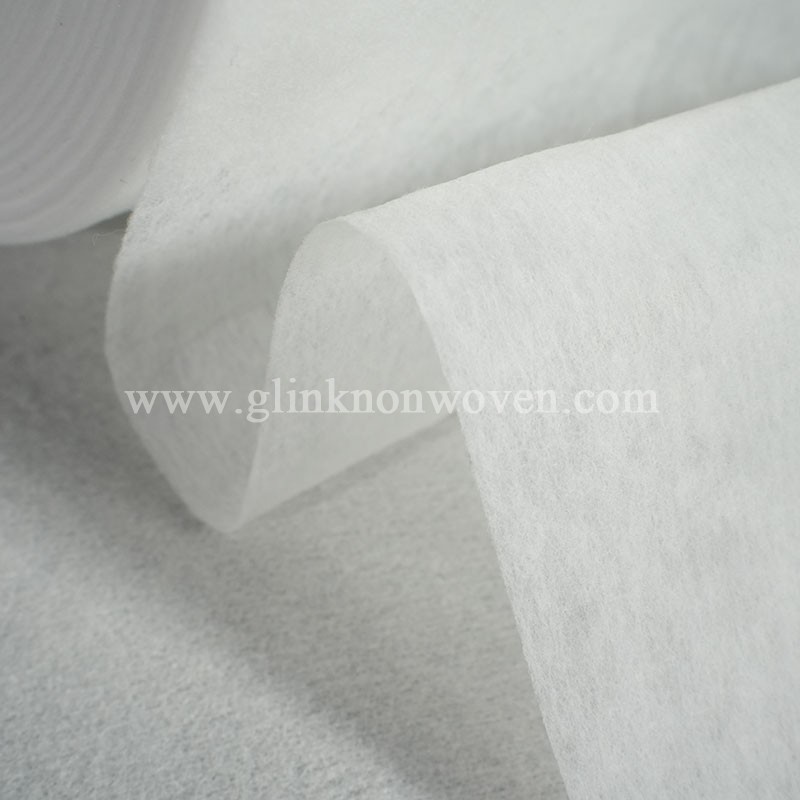
For diaper wrapping, hydrophilic spunbond nonwoven would be a better choice in terms of overall performance, particularly when considering moisture management, comfort, and breathability. Spunbond nonwoven is more effective.

FAQ
For diaper wrapping, hydrophilic spunbond nonwoven would be a better choice in terms of overall performance, particularly when considering moisture management, comfort, and breathability. Spunbond nonwoven is more effective.
Yes, we have a modern warehouse of over 10000 square meter, providing "one station" service, mix loading different kinds of sanitary pad raw material in one container for customer, which can help customer to ease cash flow and stock pressure.
An S-cut side tape in a diaper refers to a special design of the side tape used to secure the diaper around a baby’s waist. The term "S-cut" specifically refers to the shape of the tape, which is cut in the form of the letter "S" or a similar curved pattern. This design helps improve the fit, flexibility, and functionality of the diaper's fastening system, particularly in the areas of adjustability, comfort, and leak prevention.
The reseal tape in sanitary napkins (also called sanitary pads) offers several key advantages, particularly related to convenience, hygiene, and functionality. Reseal tapes are typically used on the wrapper or backing of the sanitary napkin to allow users to close and seal the pad after use, making it easier to dispose of discreetly and hygienically.
In pull-up diapers, also known as pants diapers, the abandoned tape (often called temporary tape, manufacturer's tape, or manufacturing tape) serves specific functions during the production and packaging processes. It is not a part of the diaper's design intended for use once the diaper is worn.
PP frontal tape allows the mommy to adjust the diaper around the baby's waist and ensures a secure base to keep the diaper in place, which connects to the landing zone on the back portion of the diaper. After the frontal tape is secured, the side tapes are used to seal the diaper completely by connecting the front and back sections. The side tapes can be adjusted for a snug fit and sealed to prevent gaps, ensuring the diaper doesn't shift during movement.
The key raw material required for baby diaper making:
1. Absorbent core materials:super absorbent polymer (SAP) and fluff pulp (wood pulp).
2. Nonwoven fabrics: Topsheet nonwoven, backsheet nonwoven, and legcuffs nonwoven
3. Elastic materials: Waistband and leg elastics spandex
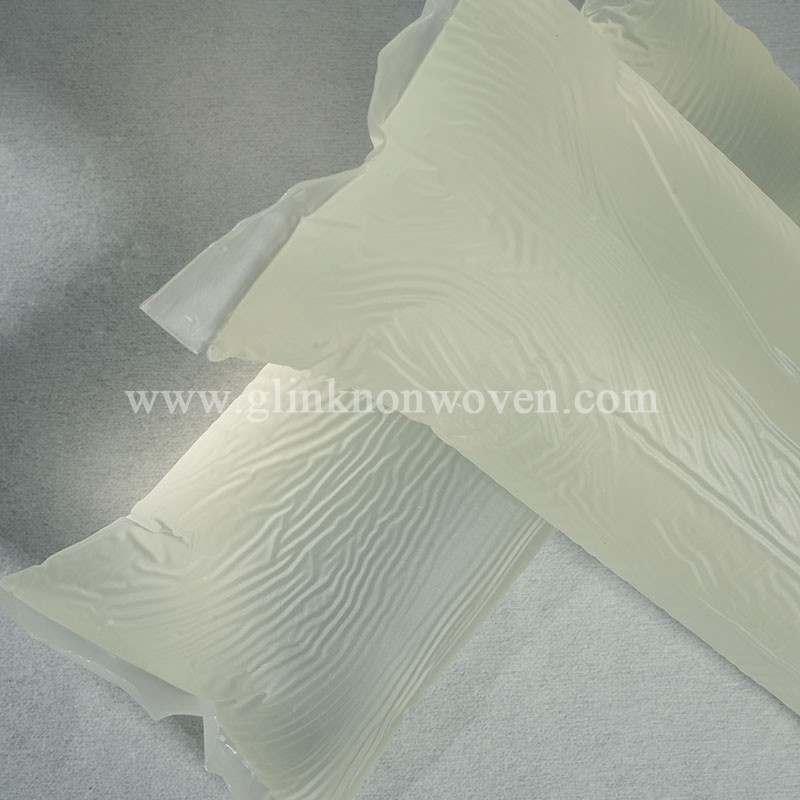
4. Hot melt adhesives
5. Breathable film
6. Fragrance and skin care additives (optional)
1. Topsheet nonwoven: soft layer in direct contact with baby's skin.
2. Backsheet layer: barrier layer that prevents leaks, usually made of a laminate of PP spunbond nonwoven and polyethylene film.
3. Core layer: spunbond nonwoven fabric may also be used in the core structure to provide stability and support to the absorbent materials inside the diaper.
The primary raw material for spunbond nonwoven fabric in diaper production is polypropylene.
PE Breathable film is a special material that requires excellent breathability, waterproofness, and tear strength. The main advantages of breathable film for diapers include good breathability, prevention of diaper rash, and keeping them dry.
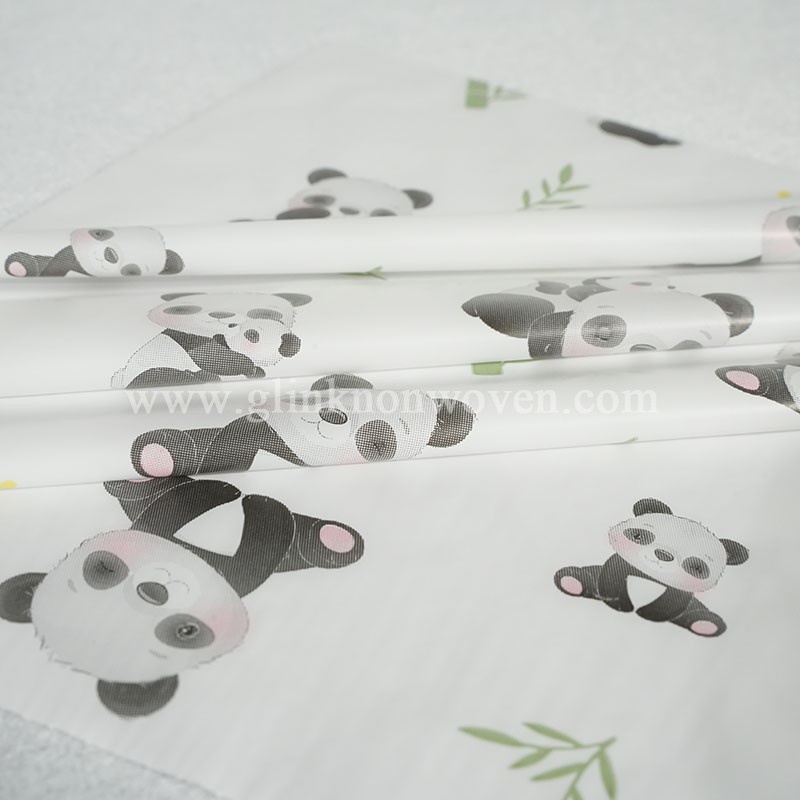
Yes, customized design is available. You only need to send us your degisn for the lamination backsheet. We can customize it for you.
The PE film sheet raw materials are double-verified to control the quality from the source, reducing the trial and error costs of overseas customers and ensuring stable quality.

Global Link is one of the leading hygiene products raw materials manufacturer since 2008.


 IPv6 network supported