Exploring the World of Surface Raw Materials for Diapers
Mar 06, 2025
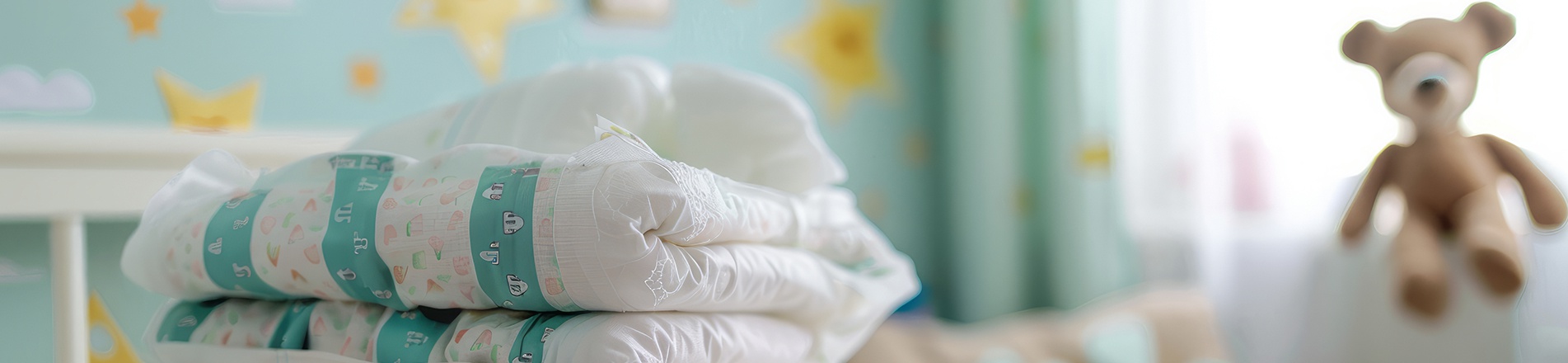
Diapers play a crucial role in the daily care of babies. A high-quality diaper not only allows babies to feel comfortable and at ease, but also brings many conveniences to parents. One of the key factors determining the quality of diapers is the selection of its raw materials.
1、 Surface material: the first line of defense that is skin friendly
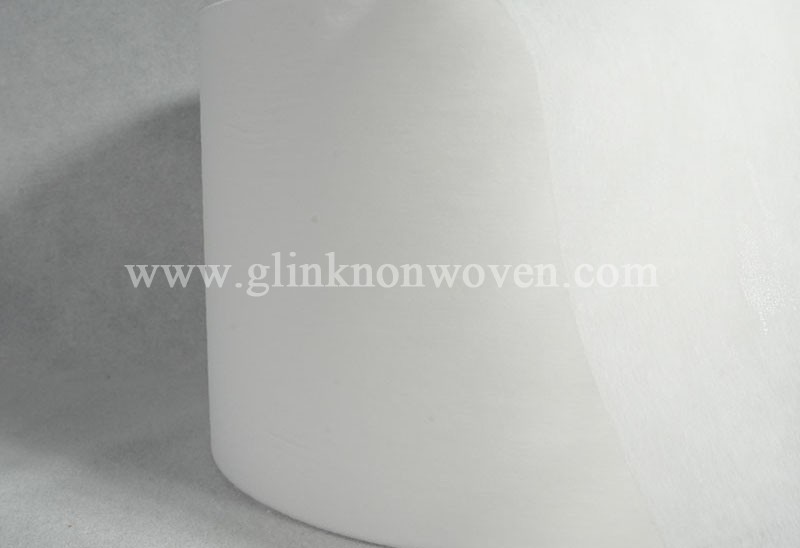
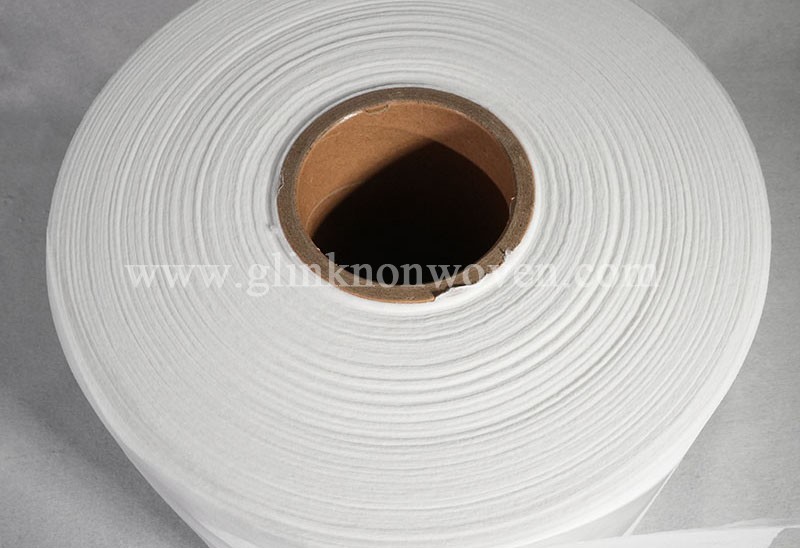
The choice of material for the surface layer, which is in direct contact with the baby's skin, is particularly important. At present, there are two common types of diaper liners on the market: diaper nonwoven fabric and pure cotton. Non woven fabric has the characteristics of softness and dryness, which can quickly absorb urine and conduct it to the absorbent core, reducing the contact time between urine and baby's skin. Among them, hot air non-woven fabric is highly favored for its fluffy and soft texture. It is formed through hot air hot rolling technology, with evenly distributed fibers and a soft touch, just like laying a soft layer of clouds on a baby's buttocks.
The spunbond nonwoven fabric is relatively more tough, with good strength and wear resistance. While ensuring softness, it can effectively prevent the surface layer from cracking. Spunbond non-woven fabric has good breathability, which can timely eliminate moisture and heat inside the diaper, keeping the baby's buttocks dry. This is of great significance for preventing skin problems such as red buttocks.
Pure cotton material has always been known for its excellent skin friendliness and breathability. Diapers with pure cotton as the surface layer can make babies' skin feel as comfortable as being gently touched by their mother's hand. The pure cotton surface layer has good water absorption, which can quickly absorb urine, keep the surface dry, and reduce the risk of red buttocks in babies. Meanwhile, its natural material is not prone to allergic reactions, making it particularly suitable for babies with delicate skin. Like some high-end diaper brands, they use specially treated high weave pure cotton to further enhance its softness and durability.
Read More


 English
 English
 Español
 عربي


 IPv6 network supported