Offer one-stop solution

Blog

Home

Blog

  • 6 Key Details for Choosing High-Quality Baby Diapers
    6 Key Details for Choosing High-Quality Baby Diapers
    Dec 29, 2025
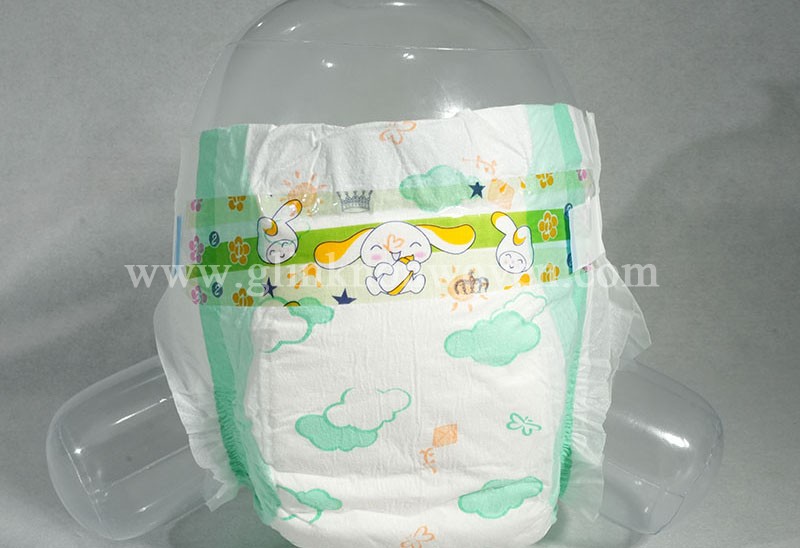
    Babies have delicate skin with weak defense against external stimuli, making them prone to allergies and rashes. Faced with a wide range of diaper brands on the market, you can avoid mistakes and select products that both protect your baby's skin and ensure comfort by mastering the following key details. 1. Pay Attention to Thickness: Overly thick diapers reduce breathability, affect comfort, and may cause allergies or eczema. Thin and light diapers mostly contain super absorbent polymer (SAP), while thick ones are mainly made of fluff pulp. Note: Absorbency has nothing to do with thickness; there's no need to choose thick diapers for better absorbency. 2. Consider Breathability: High-quality diapers need to balance breathability and leak-proof performance. The core factor lies in the quality of the non-woven fabric in the back sheet. The combination of hot-air non-woven fabric and PE lamination film is an excellent choice, which can ensure air circulation while preventing back leakage. 3. Test Absorbency: You can conduct a simple test at home - pour an equal amount of water into diapers of different brands, cover them with dry tissues after absorption, and observe the wetness of the tissues. In daily use, you can also judge by observing the absorption speed after your baby urinates and the dryness of their buttocks.   4. Touch with Your Hands: Focus on the softness of the top sheet that directly contacts the skin. You can touch it with the back of your hand or cheek and choose products that are smooth and non-rough. At the same time, pay attention to the elasticity and softness of the diaper waistband and side cuffs to avoid hurting the baby's skin. 5. Check Carefully: Confirm that the package is marked with key information such as product standard number, hygiene standard number, and production license number. Choose the correct size according to the baby's weight and age, and pay attention to the production date and shelf life to avoid expired products. 6. Smell the Odor: High-quality diapers have a light or no odor. If there is a distinct strange smell or irritating odor, it indicates the use of inferior materials, which will endanger the baby's health. 
    Read More
  • Types and applications of non-woven fabrics for  non-woven fabrics
    Types and applications of non-woven fabrics for non-woven fabrics
    Dec 26, 2025
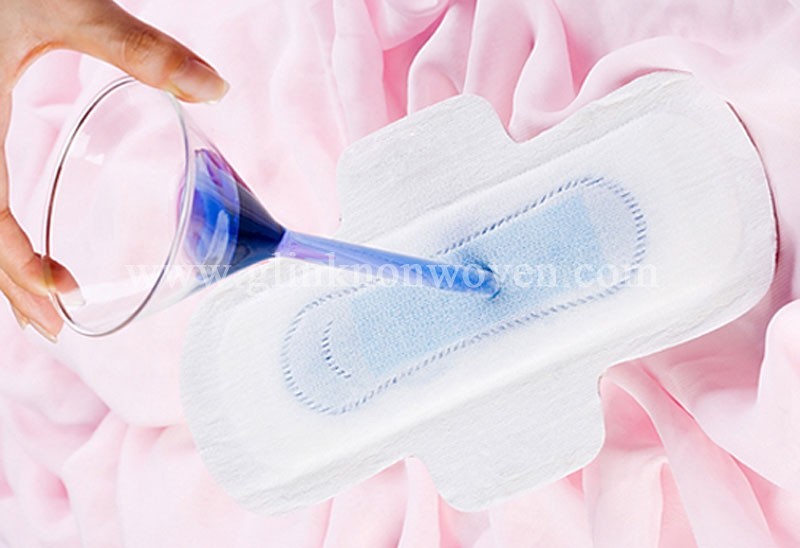
    Sanitary napkins are essential hygiene products for women during their menstrual cycle, and their core materials are crucial to user experience and health safety. Non-woven fabric plays a key role in this. Below, we'll explain the impact of different non-woven fabrics on the user experience and how to choose the right one.   Non-woven fabrics are made by bonding fibers using physical, chemical, or thermal methods, rather than traditional textile processes. They are soft, breathable, and inexpensive, and are widely used in all layers of sanitary napkins.   Different non-woven fabrics significantly impact the user experience. In terms of comfort, products with a surface layer made of hot-air or spunlace non-woven fabric are softer and more skin-friendly, suitable for sensitive skin; spunbond non-woven fabrics have a rougher feel and can easily cause friction and discomfort. Regarding breathability, hot-air non-woven fabrics are fluffy and breathable, reducing stuffiness; spunbond non-woven fabrics are less breathable and tend to become damp after prolonged use. In terms of absorbency, spunlace non-woven fabrics absorb liquid quickly, reducing surface residue; spunbond non-woven fabrics tend to clump after absorbing liquid, affecting dryness. In terms of safety, spunlace technology uses no chemical adhesives, making it safer and more environmentally friendly; some low-priced products use non-woven fabrics containing fluorescent agents, which pose an allergy risk.   Choose sanitary napkins according to your needs. For sensitive skin or daily use, choose products with a surface layer of hot-air/spunlace non-woven fabric; for sports or overnight use, prioritize composite non-woven fabric designs, which balance leak prevention and breathability; if environmental protection is a concern, consider sanitary napkins made from biodegradable materials (such as PLA polylactic acid non-woven fabric). For more information, please click www.glinknonwoven.com
    Read More
  • Improving comfort and absorbency the importance of spunbond nonwovens in baby care products
    Improving comfort and absorbency the importance of spunbond nonwovens in baby care products
    Nov 25, 2025
    In baby care products, spunbond nonwovens are favored for their unique properties, especially in improving comfort and absorbency. As an advanced material, spunbond nonwovens can effectively meet the needs of babies and ensure their health and happiness. First, the softness of spunbond nonwovens makes it extremely comfortable when in contact with baby's skin. The smooth surface of this material reduces friction and avoids irritation to delicate skin, thereby reducing the incidence of diaper rash. Babies' skin is very sensitive, so choosing a soft material is crucial, and spunbond nonwovens are the ideal choice to meet this need. Secondly, spunbond nonwovens have excellent water absorption performance. Its unique structural design allows urine to quickly penetrate into the absorbent layer, keeping the surface dry. This feature not only improves the comfort of diapers, but also effectively prevents leakage, ensuring that babies are not affected when they are active. For parents, being able to trust the product's absorption capacity means that they can take care of their babies with more peace of mind. In addition, the breathability of spunbond nonwovens is also one of its important advantages. Good breathability can effectively regulate the humidity inside the diaper, prevent bacteria from growing, and keep it dry. This is especially important in hot weather or when using diapers for a long time. Breathability ensures that the baby's skin will not be uncomfortable due to moisture. Finally, the production process of spunbond nonwovens is relatively mature, which can achieve large-scale production and ensure the consistency of product quality and performance. This feature enables manufacturers to provide high-standard baby care products to meet market needs. In summary, the application of spunbond nonwovens in baby care products not only improves the comfort and absorbency of the products, but also provides babies with a safer and healthier care experience. With the continuous advancement of technology, spunbond nonwovens will play an increasingly important role in the field of baby care, helping parents to better care for their children. For more information, please click www.glinknonwoven.com    
    Read More
  • Key materials for sanitary napkins: A deeper understanding of spunbond hydrophilic nonwovens
    Key materials for sanitary napkins: A deeper understanding of spunbond hydrophilic nonwovens
    Aug 28, 2025
    Spunbond hydrophilic nonwoven fabric is an indispensable and important material in modern sanitary napkins. Its unique properties make it play a key role in improving product quality and user experience. As a material with excellent water absorption and breathability, spunbond hydrophilic nonwovens play a vital role in the design of sanitary napkins.   First of all, the water absorption performance of spunbond hydrophilic nonwoven fabric is extremely good. Its structural design allows liquid to quickly penetrate into the absorbent layer, keeping the surface dry. This rapid absorption capacity not only enhances the comfort of sanitary napkins, but also effectively prevents leakage, ensuring that users feel safe and assured during use.   Secondly, the softness of spunbond hydrophilic nonwoven fabrics enables it to provide excellent comfort when in contact with the skin. Its smooth surface reduces friction and reduces the risk of skin irritation, especially during sensitive periods such as menstruation, when comfort is particularly important. The hydrophilicity of this material can also help maintain appropriate humidity, further enhancing the comfort of users.   Breathability is another major advantage of spunbond hydrophilic nonwoven fabrics. Good breathability can effectively regulate the air circulation inside the sanitary napkin, prevent bacteria from growing, and keep it dry and hygienic. In the process of using sanitary napkins, breathability ensures that the user's skin will not cause discomfort or allergic reactions due to moisture.   In addition, the production process of spunbond hydrophilic non-woven fabrics is relatively mature, which can achieve large-scale production and ensure the consistency of sanitary napkins in quality and performance. The biaxial stretch performance of this material allows the sanitary napkin to fit the body better, adapt to the user's various activities, and avoid leakage problems caused by ill-fitting.   In summary, the application of spunbond hydrophilic non-woven fabrics in sanitary napkins not only improves the functionality and comfort of the product, but also provides users with a safer and healthier use experience. With the continuous advancement of technology, spunbond non-woven fabrics will play an increasingly important role in women's care products to meet the growing needs of users.   For more information, please click www.glinknonwoven.com.   
    Read More
  • Application of spunbond hydrophilic nonwoven fabrics in baby diapers
    Application of spunbond hydrophilic nonwoven fabrics in baby diapers
    Aug 28, 2025
    Spunbond hydrophilic nonwoven fabrics is an indispensable and important material in modern baby diapers. Its unique properties make it play a key role in improving product quality and baby comfort. As a material with excellent water absorption and breathability, spunbond hydrophilic nonwoven fabric can quickly absorb urine and effectively lock it to keep the surface dry. This feature not only prevents urine leakage, but also effectively reduces the occurrence of diaper rash and protects the delicate skin of babies.   In the design of baby diapers, spunbond hydrophilic nonwoven fabric is usually used as the inner layer material. Its hydrophilicity allows urine to quickly penetrate into the absorbent layer, while the surface remains dry, effectively avoiding moisture irritation to the skin. At the same time, the softness and comfort of this material enable diapers to provide excellent comfort when in contact with baby skin, reducing friction and discomfort.   In addition, the breathability of spunbond hydrophilic nonwoven fabric is also a major advantage. Good breathability can effectively regulate the humidity inside the diaper, prevent bacterial growth, and further improve the baby's hygiene. In hot weather or when using diapers for a long time, breathability is particularly important, which can help keep dry, reduce discomfort, and ensure the health of the baby's skin.   The production process of spunbond hydrophilic nonwovens is also relatively mature, which can achieve large-scale production and ensure the consistency of diapers in quality and performance. The biaxial stretch performance of this material allows diapers to better fit the baby's body, adapt to their various activities, and avoid leakage caused by poor fit.   In summary, the application of spunbond hydrophilic nonwovens in baby diapers not only improves the functionality and comfort of the product, but also provides a safer and healthier care experience for babies. With the continuous advancement of technology, spunbond nonwovens will play a more important role in baby care products in the future.   For more information, please click www.glinknonwoven.com.
    Read More
  • What raw materials are needed for disposable nursing pads?
    What raw materials are needed for disposable nursing pads?
    Aug 07, 2025
    Disposable nursing pads are mainly made of the following raw materials: PE film: PE film is polyethylene film, which has good waterproof properties and can effectively prevent liquid leakage. It is a common material for the bottom layer of nursing pads. Non-woven fabric: Non-woven fabric is a material made by physically bonding fibers together. It has the characteristics of lightness, breathability, softness and skin-friendliness. In nursing pads, non-woven fabrics are often used in the surface and middle layers, providing good touch and breathability, and also helping the rapid penetration and distribution of liquids. Fluff pulp: Fluff pulp is a kind of wood pulp or waste paper pulp that has been specially processed and has good water absorption and fluffiness. In nursing pads, fluff pulp is the main material of the absorption layer, which can quickly absorb and store liquids and keep the surface dry.   Polymer absorbent material: Polymer absorbent materials such as super absorbent resin (SAP) have super strong water absorption capacity, can absorb hundreds of times its own volume of water, and firmly lock the liquid to prevent leakage. This material serves as the core absorption layer in the nursing pad, ensuring that the product has excellent water absorption and liquid retention properties. In addition, according to the specific product design and production process requirements, disposable nursing pads may also contain other auxiliary materials, such as elastic materials, hot melt adhesives, etc. These materials play the role of fixing, fitting, and bonding in the nursing pad, which helps to improve the comfort and use effect of the product. In summary, the raw materials of disposable nursing pads mainly include PE film, non-woven fabrics, fluff pulp and polymer absorbent materials, etc., which together constitute the structural and functional basis of the nursing pad. For more information, please click www.glinknonwoven.com
    Read More
  • Introduction to ADL functional chips for sanitary napkins
    Introduction to ADL functional chips for sanitary napkins
    Jul 10, 2025
    The ADL functional chip of sanitary napkins is a component with special functions in sanitary napkins, and ADL stands for Acquisition Distribution Layer, which means diversion layer. It is usually located at a specific level of sanitary napkins, which can help menstrual blood and other liquids quickly infiltrate and evenly distribute, keeping the surface dry. At the same time, some chips also have multiple functionalities. The following is a specific introduction: Material and Structure: ADL functional chips are often carried on non-woven fabrics and implanted or compounded with various functional materials through special processes. The functional chip of the cotton doctor sanitary pad is made of plant fiber material, which implants Ganoderma lucidum polysaccharides, negative ions, far-infrared, nano silver, etc. into non-woven fabric. Some chips also achieve their functions through a multi-layer structure, such as a urine odor removing sanitary pad chip, which includes a surface layer, a core layer, and a bottom layer. A first polymer absorption layer is set between the surface layer and the core layer, and a second polymer absorption layer is set between the core layer and the bottom layer. The core layer is a water absorbing cloth soaked in pure natural lily aldehyde essential oil, and the surface layer is made of chitosan fiber non-woven fabric. The layers are connected by hot pressing. Functional characteristics: Rapid flow and absorption: The chip can be paired with a dual lining flow guiding non-woven fabric to effectively help menstrual blood infiltrate, allowing liquid to quickly pass through the surface and be absorbed by the lower layer of absorbent material, reducing liquid residue on the surface of sanitary napkins, keeping the user's private parts dry, and improving user comfort. Antibacterial and bacteriostatic: Some sanitary pad ADL chips contain antibacterial ingredients such as nano silver, chitosan fibers, etc., which can inhibit bacterial growth, reduce odors and gynecological disease risks caused by bacterial reproduction. For example, the above-mentioned anti urine odor sanitary pad chip, chitosan fiber non-woven fabric surface, antibacterial layer, and drug core layer have a synergistic effect of the triple antibacterial substances of lily aldehyde essential oil, which can inhibit and kill microorganisms at multiple levels. Relieve menstrual discomfort: Some new chips use solid-state hydrogen technology or photocatalytic hydrogen production technology, such as the built-in hydrogen function chip in the Goodbye Payne Soothing Care sanitary pad, which releases hydrogen gas when it comes into contact with water. The released hydroxide ions not only accelerate blood circulation, unblock blockages, relieve menstrual pain, but also kill anaerobic bacteria and alleviate discomfort caused by their growth.   Other functions: The chip may also have far-infrared function, which can promote the dilation of human microvessels, accelerate blood circulation, and promote body metabolism; Or embed biological magnetic elements to perform magnetic therapy on the human body, coordinate human functions, and also promote the movement of negative ions to enhance sterilization effects. For more information, please click www.glinknonwoven.com.​
    Read More
  • Market status and development trends of PE film for diapers
    Market status and development trends of PE film for diapers
    Jul 10, 2025
    With the intensification of global population aging and fluctuations in infant birth rates, the demand for diapers in the market continues to grow. As a key component of diapers, the PE film raw materials market has also shown a good development trend. At present, there are numerous PE film production enterprises worldwide, and the market competition is fierce. Some large chemical enterprises dominate the market with their advanced production technology, stable product quality, and extensive sales network. At the same time, some emerging enterprises have gradually emerged in the market through continuous innovation and optimization of product performance. Driven by market demand, the development trend of PE film for diapers is mainly reflected in the following aspects: High performance: Consumers have increasingly high performance requirements for diapers, not only hoping that they have good waterproof and leak proof performance, but also requiring them to have higher breathability, softness, and comfort. Therefore, the development of high-performance PE films has become an important direction for the industry's growth. For example, by improving production processes and material formulations, PE films with higher breathability and better softness have been developed to meet consumers' demand for high-quality diapers.  ​ Environmental Protection: With the increasing awareness of environmental protection, people have put forward higher requirements for the environmental performance of diaper products. As a type of plastic product, the disposal of PE film after disposal has attracted much attention. In order to reduce the impact on the environment, some companies have begun to develop biodegradable PE film materials, such as biodegradable polyethylene (PBAT), polylactic acid (PLA), etc. These biodegradable materials can gradually decompose through the action of microorganisms in the natural environment, thereby reducing the harm of plastic waste to the environment.  ​ Functional diversification: In addition to basic waterproof, breathable, and protective functions, future diaper PE films will also develop towards functional diversification. For example, adding antibacterial agents to PE film to give it antibacterial function can effectively inhibit bacterial growth and reduce odor production; Alternatively, special treatment can be applied to the surface of the membrane to enhance its anti adhesion properties, making it easier to wear and remove diapers.  ​ Intelligence: With the development of the Internet of Things and smart wearable technology, intelligent diapers have become a new hot spot in the market. Diaper materials PE film, as the outer material of diapers, will also play an important role in intelligence. For example, by embedding sensors in PE film, real-time monitoring of parameters such as urine volume and humidity can be achieved, and the data can be transmitted to a mobile app, making it convenient for parents to timely understand the physiological condition of their babies and provide more caring care for them.  ​For more information, please click www.glinknonwoven.com
    Read More
  • Application of Wetness indicator adhesives in diapers
    Application of Wetness indicator adhesives in diapers
    Jul 03, 2025
    When taking care of your baby, the wetness indicator glue on the diaper is a caring little helper for parents. Wetness indicator adhesives, also known as wetness indicator glue, is a very magical special material that changes color when it encounters urine. The use of this material in diapers cleverly utilizes its color change characteristics in different acid and alkaline environments. It can intuitively show whether the baby has urinated, and promptly remind the caregiver to change the diaper, so that the baby's little bottom always stays dry and comfortable. To achieve this practical function, the wetness indicator glue must meet several key requirements. The color change must be clear so that parents can see it at a glance; the color change must be timely and can quickly reflect the baby's urination situation; and the color is only displayed when necessary to avoid misjudgment and cause trouble to parents. wetness indicator glue is not only powerful, but also has excellent environmental stability. No matter what the environmental conditions are, it can provide reliable color changes, making parents feel very at ease when using it. The technical advantages of wetness indicator glue are very prominent. It changes color quickly and obviously. Once it comes into contact with urine, it changes color immediately, and parents can easily notice it. It has excellent color retention performance. After the color changes, the color lasts and will not fade easily, which is convenient for parents to observe. There is almost no odor, which can create a fresh use environment for the baby. Even in a humid environment, it can maintain good performance. It has good stability and can stably play the color-changing function in different environments. It has excellent operating performance and is easy to operate during the production process, ensuring the quality and production efficiency of the product. With urine-displaying gel, taking care of your baby becomes more worry-free! If you're interested in our products, you can contact us or click here: www.glinknonwoven.com.
    Read More
  • Five innovative advantages of organic cotton sanitary napkins
    Five innovative advantages of organic cotton sanitary napkins
    Jun 19, 2025
    When menstrual care meets the challenges of environmental protection and health, a revolution from materials to concepts is happening. Among many feminine hygiene products, organic cotton sanitary pads have gradually become a new trend in menstrual care due to their natural and pure characteristics. ​ 1、 Zero chemical residue: a reassuring choice for sensitive skin The cultivation of organic cotton prohibits the use of insecticides, herbicides, and fertilizers. Ecological methods such as crop rotation and biological pest control (such as ladybugs preying on aphids) are used to maintain crop health. During the processing, organic cotton also rejects chemical additives such as fluorescent agents, formaldehyde, and whitening agents to ensure that the surface in direct contact with the skin remains pure and pristine. For women with sensitive and easily allergic skin during menstruation, organic cotton sanitary pads raw materials can significantly reduce discomfort such as itching and redness, and use natural fibers to build a safety line of defense. ​ 2、 Breathable cotton soft touch: Say goodbye to stuffiness and stickiness The natural fiber structure of organic cotton can be called "breathable black technology". Its porous fiber arrangement increases air circulation by more than 30% compared to ordinary synthetic fiber materials. Even in high temperature weather or prolonged sitting, hygiene product raw materials can quickly expel moisture and prevent the growth of bacteria in hot and humid conditions. The surface of organic cotton feels soft and delicate like clouds, reducing discomfort caused by skin friction. Especially when frequently turning over at night, cotton soft material can gently fit the body curve, allowing for comfortable and comfortable sleep during menstruation. ​ 3、 Environmental Revolution: Ecological Protection from Soil to Ocean The cultivation of organic cotton is not only related to personal health, but also to the deep protection of the earth's ecology. Organic cotton cultivation adopts natural farming methods, improves soil fertility through composting, attracts beneficial organisms such as bees, and forms a virtuous ecological cycle. At the end of the product lifecycle, organic cotton can naturally degrade within 180 days, significantly reducing white pollution and alleviating the burden on oceans and land compared to ordinary sanitary napkins containing synthetic fibers (which take hundreds of years to degrade). ​ 4、 Authoritative certification endorsement: visible quality assurance The high quality of organic cotton sanitary napkins comes from a rigorous certification system. Authoritative organizations such as Global Organic Textile Standard (GOTS) and USDA Organic Certification in the United States rigorously audit the entire process of organic cotton from planting, harvesting to processing. For example, GOTS requires that the organic fiber content in the finished product must be above 95%, and environmentally friendly materials and biodegradable detergents must be used in the production process. ​ 5、 Suitable for all ages: intimate companionship from teenage girls to silver hair The natural advantages of organic cotton sanitary napkins make them suitable for women of all ages. Adolescent girls have delicate skin, and organic cotton can reduce discomfort during menarche; Pregnant and postpartum women's private parts are more sensitive, and pure materials can reduce the risk of infection; Menopausal women have fragile skin due to hormonal changes, and the gentle properties of organic cotton can also provide meticulous care. ​ If you want to get more information about our products, you can click www.glinknonwoven.com.
    Read More
  • Raw material analysis of newborn diapers
    Raw material analysis of newborn diapers
    Jun 19, 2025
    Newborns have delicate and sensitive skin, and the choice of raw materials for disposable diapers as a 24-hour intimate product directly affects the comfort and health of the baby. Modern diapers achieve a balance of water absorption, breathability, and softness through the combination of various high-performance materials. The following is a detailed analysis of the core raw materials for diapers:   1. Surface material: skin friendly and non irritating 3D embossing non woven fabric: Most high-end diapers use polypropylene (PP) non-woven fabric, with delicate fibers and strong breathability, which can quickly remove moisture and reduce the risk of red buttocks. Some brands will add natural cotton fibers to enhance the tactile sensation.    3D embossing process: reduces skin contact area and keeps the surface dry.    Antibacterial treatment: Some products may add natural antibacterial ingredients (such as chamomile extract) to inhibit bacterial growth.    2. Absorbent core: the core of efficient water locking Polymer Water Absorbent Resin (SAP): It can absorb liquids weighing tens of times its own weight, has strong water locking ability, and avoids reverse osmosis. High quality SAP requires food grade safety certification (such as the EU 10/2011 standard).    Fluffy pulp: As a traditional absorbent material, it is mixed with SAP to improve the flow rate, but in recent years it has gradually been replaced by full core (pure SAP+dust-free paper) technology, making diapers thinner and lighter.    3. Leak proof layer: Double protection design Breathable PE film: The bottom layer adopts microporous breathable film, which allows water vapor to be discharged but blocks liquid leakage, avoiding stuffiness. Three dimensional leak proof edge: usually a combination of elastic rubber and non-woven fabric to prevent side leakage, while also being soft and not tight on the legs.    4. Other detailed materials Waist circumference and Velcro: Elastic spandex and non-woven fabric ensure a snug fit, while some brands use plant-based adhesives (such as corn starch adhesive) to reduce the risk of sensitization.    Environmentally friendly biodegradable materials: Emerging brands use PLA (polylactic acid) or bamboo fiber to replace some plastic components, reducing environmental burden.    Safety standards for raw materials High quality diapers require multiple international certifications: Skin safety: ISO 10993 (biocompatibility testing) OEKO-TEX ®  Standard 100 (no harmful substances).    Environmental friendliness: FSC certification (sustainable forest fluff pulp), compostable biodegradable label.   
    Read More
  • How to ensure the quality and comfort of diapers?
    How to ensure the quality and comfort of diapers?
    Jun 11, 2025
    Diapers are essential for baby care, and their quality and comfort are of vital importance. Before they are put on the market, diapers must undergo a series of rigorous tests to ensure that they meet safety and quality standards. Baby diapers are mainly composed of a surface coating layer, a diversion layer, an absorbent core layer, and a bottom layer. The surface layer is in direct contact with the baby's skin, and requires excellent material, good liquid permeability and no back-seepage to keep the skin dry; the diversion layer is responsible for quickly transferring the liquid absorbed by the surface layer to the absorbent core and preventing back-seepage; the absorbent core layer is the core part and needs to have high breathability and water absorption; the bottom layer mainly plays a leak-proof role. There are many testing items for diapers, including material and structure, strength, absorption capacity of the absorbent core, absorption rate, skin dryness rate (divided into daytime and nighttime), leak-proofness (lying flat and side-lying), breathability, softness, etc. The material and structure test records the material, weight, thickness and size of each part of the diaper; the strength test is for pull-up pants and adhesive diapers, and the force required to tear open the side material and waist stickers is tested to ensure that they are easy to open and firm and stable. Although the absorption capacity of the absorbent core has little to do with performance, it is still one of the test items. Absorption rate is a key indicator. Rapid absorption can reduce the contact time between urine and skin and reduce the risk of diaper rash. The skin dryness test simulates daytime and nighttime use scenarios to evaluate the ability of diapers to keep skin dry. The leakage test evaluates the leak-proof performance of diapers in different postures. The breathability test evaluates the breathing ability of the diaper by measuring the amount of moisture emitted from the outside of the diaper. The softness test focuses on the softness of the inside of the diaper, including fibers, surface structure, density and flexibility. These tests together ensure the quality and comfort of diapers, providing a safe and comfortable care experience for babies.  If you want to get more information about our products, you can click www.glinknonwoven.com.
    Read More
1 2 3 4 5 6 7 8 9
A total of9pages

Leave A Message

Leave A Message
If you are interested in our products and want to know more details,please leave a message here,we will reply you as soon as we can.
Submit

Home

products

whatsApp

contact